
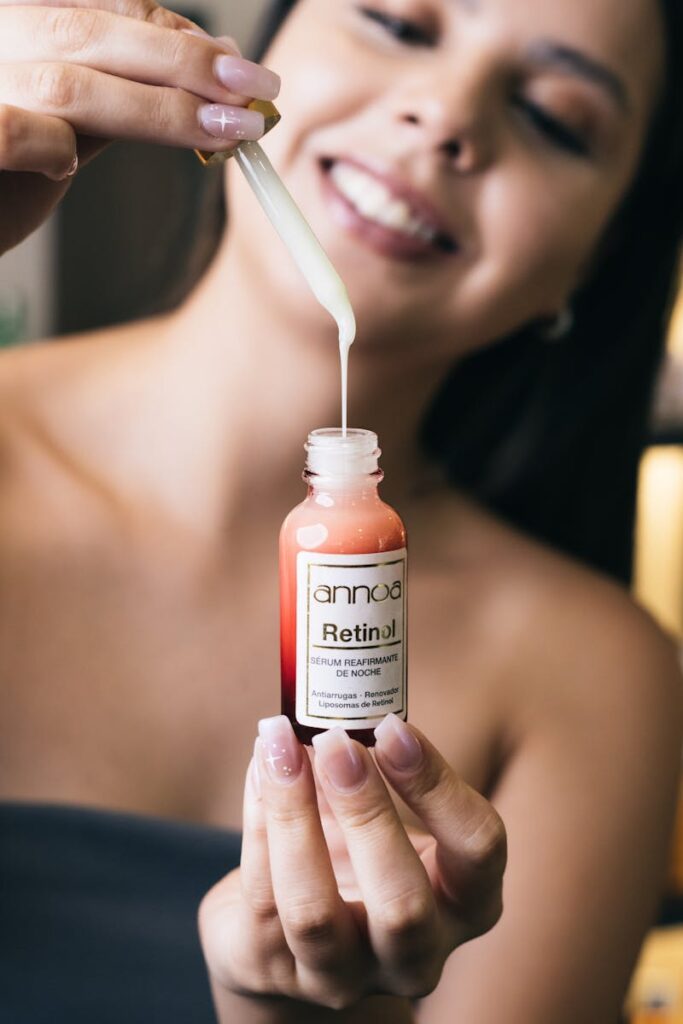
The cosmetology and beauty industry has strong potential because it is driven by several enduring social and economic factors that make it remarkably resilient—even during downturns.
The beauty industry has long proven its resilience during economic downturns. Even during the 2008 financial crisis, the industry continued to grow.
According to U.S. Census data, between 2007 and 2009, the number of beauty salons in the United States increased by 14.4%.
Hairstylist Lana from California told us that, “Most people—especially women—even in difficult times, want to feel good. We’re not going to sacrifice feeling beautiful just because the economy is tough.”
Beauty as a form of self-care and confidence

People prioritize looking and feeling their best, even in tough economic times. As the hairstylist Lana noted, clients—especially women—continue to visit salons to feel good about themselves.
This emotional and psychological value attached to beauty services creates consistent demand, making the industry less sensitive to recessions.
In 2009, U.S. News & World Report ranked “hairstylist” as one of the thirty best careers, highlighting high job satisfaction, artistic expression, and stability, placing it #23 in the list of best jobs without a college degree.
Many experts agree that seeing a stylist has become a priority for clients—it’s a form of self-care that people maintain even in hard times.
George Miller from Salon Success Academy emphasized:
“Being a stylist is a chosen profession. You might see your doctor once a year, your dentist twice, but your hairstylist every six weeks. Many people can’t live without that.”
Recurring and essential services of Cosmetology
Unlike occasional luxury purchases, many beauty services are routine and habitual. Haircuts, color treatments, nail care, and skincare are maintained regularly—weekly, monthly, or quarterly—so clients return consistently.
George Miller pointed out that people see their hairstylist more frequently than their doctor or dentist, emphasizing the essential role of beauty services in daily life.
According to data from 2019, the U.S. cosmetics industry was valued at $93.5 billion, up $74.7 million from 2018. Sales of personal-care products continue to grow, projected to reach $500 billion by 2020.
Employment in beauty and personal care services is expected to expand: barbers, hairdressers, and cosmetologists by 10%, and massage therapists by almost 22% by 2024.
While women remain the majority of clients (72% of women versus 52% of men), an increasing number of male-focused salons are emerging, reflecting growing interest among men in professional hair, skin, nail, and grooming services.
Diversified services and markets of Cosmetology

Cosmetology is not limited to hairstyling. It includes skincare, nails, makeup, waxing, and spa services, which appeal to a wide audience.
With the rise of male-focused salons and services catering to younger generations, the market continues to expand, reaching previously untapped demographics.
Since 2019, the beauty and personal care industry in the U.S. has continued to expand, despite economic uncertainties caused by the COVID-19 pandemic.
In 2023, the industry was estimated to be worth over $100 billion, driven by strong consumer demand for skincare, haircare, and wellness services.
E-commerce and at-home beauty products have also surged, complementing traditional salon services and creating new revenue streams for cosmetologists.
Industry growth and innovation in Cosmetology
Even amid economic uncertainty, the U.S. beauty industry has continued to grow—from $93.5 billion in 2019 to over $100 billion in 2023.
The integration of e-commerce and at-home beauty products complements traditional salon services, creating new revenue streams and opportunities for cosmetologists.
The employment outlook remains strong. The Bureau of Labor Statistics (BLS) projects that employment of cosmetologists, hairstylists, and barbers will grow 9% from 2022 to 2032, faster than the average for all occupations.
Stable employment and career flexibility
Cosmetology offers long-term career stability. The Bureau of Labor Statistics projects 9% employment growth for cosmetologists, hairstylists, and barbers from 2022 to 2032—faster than the average for all occupations.
Careers in cosmetology allow for flexible work schedules, self-employment, and creative expression, which adds to its attractiveness as a profession.
This trend reflects a growing emphasis on self-care, wellness, and professional grooming, making cosmetology a career with long-term stability and flexibility.
Male clientele and younger generations are increasingly seeking salon services, which further diversifies the market and expands opportunities for beauty professionals.