

110 Cosmetology Exam Practice Test 2 – Real State Board Simulation

Cosmetology State Board Practice Exam 2: 110 Questions With Hints and Explanations

Preparing for the Cosmetology State Board written exam can feel overwhelming because the test may cover many different topics: infection control, hair structure, hair coloring, chemical texture services, skin care, nail care, electricity, anatomy, and salon safety.

That is why this Cosmetology State Board Licensing Practice Exam 2 includes 110 multiple-choice questions with hints and explanations to help students review important exam-style concepts step by step.

This practice exam is designed for cosmetology students who want to strengthen their knowledge, identify weak areas, and become more comfortable with the type of wording commonly used in licensing exam questions.

Start Cosmetology Practice Exam 2

Welcome to your Cosmetology State Board Licensing Practice Exam (110 Questions + Hint + Explanation) – Exam 2

1. 
Hair that has been treated with a color remover can become overly porous. In this case, what kind of tint should you use to avoid the color turning out too dark?
2. 
What does the tacky (sticky) feel on the surface of odorless acrylic nails indicate?
3. 
When performing permanent waving on bleached hair: It requires _____ processing time than virgin hair Larger rods are typically used in the _____ area
4. 
When applying a virgin tint that is darker than the natural hair color, what size subsection of hair should be taken?
5. 
Which vessels return blood to the heart?
6. 
Why should the air intake at the back of a hair dryer always be kept clean?
7. 
What part of the hair structure determines the hair's natural color?
8. 
When doing a tint retouch, if the ends of the hair are already darker than the desired color, what method should be used to blend the color evenly?
9. 
When applying acrylic nails, why is a primer applied to the natural nail?
10. 
Which type of hair has the largest diameter and is usually more resistant to chemical processing?
11. 
The ultraviolet (UV) rays from the sun are referred to as what type of rays?
12. 
Which of the following actions is the most important to prevent cross-contamination during a facial treatment?
13. 
What is the proper procedure if blood exposure occurs during a service?
14. 
Lightening makes the hair more porous. However, oil lighteners can lift the hair color by one or two levels because they are very mild and are sometimes even used to lighten dark facial hair. What are oil lighteners mixed with?
15. 
Croquignole curling technique involves winding the hair strand starting from which point?
16. 
Which of the following processes is responsible for completing a cold wave perm?
17. 
When using high frequency current directly on a client’s skin, what happens if you break contact without placing your finger on the electrode?
18. 
What are the long, slender bones that form the structure of the foot?
19. 
The dermal light is used for:
20. 
Under which condition should a cold wave not be performed?
21. 
When giving a permanent wave to hair that has been tinted, which rods should you use?
22. 
Which of the following is not a sign of an allergic reaction to aniline dye?
23. 
The action of a cold wave solution on the hair structure involves softening the hair. The size of the curl in a cold wave is determined by the amount of hair on each rod and:
24. 
When should a color filler be used to help hair absorb color more evenly?
25. 
Vigorously brushing the hair before a permanent wave service may cause:
26. 
During cold wave processing (perming), the hair's structure is chemically altered. Which of these is MOST LIKELY to cause hair breakage during service?
27. 
What is the main function of sebum in the skin?
28. 
A technical term for "thinning" means removing weight from the hair. What is the process of reducing bulk without shortening the hair length called?
29. 
Which muscle is responsible for raising the hair when a person feels cold or scared?
30. 
After a client has used a chemical depilatory, how long should you wait before performing waxing?
31. 
Aniline derivative tints that produce pale and delicate colors are known as:
32. 
When is it safe to apply an aniline derivative hair tint?
33. 
The corrugator muscle is located at the eyebrow line. Which muscles are responsible for mastication (chewing)?
34. 
Most conditioner products contain humectants. Penetrating conditioners should be left on the hair for 10 to 20 minutes to:
35. 
When using dermal lights, which of the following is NOT required?
36. 
What happens when you add distilled water or shampoo to hair tint?
37. 
When a client is getting their hair colored after using a dye remover, what is the proper time to apply the new color?
38. 
What is the primary purpose of using a toner after facial cleansing?
39. 
Ultraviolet (UV) rays are also called "cold rays" or "actinic rays." UVA rays are known to have a stimulating effect on the skin, but they can damage the skin’s elasticity and cause what effect?
40. 
What is the most important reason for performing a patch test before applying a hair color product?
41. 
Hair that has been treated with a concentrated protein conditioner will have improved appearance, more even porosity, and:
42. 
Which disinfectant is best suited for salon tools that are not heat-resistant?
43. 
In giving tint to make hair darker, how should the color be applied?
44. 
Why should chemically treated hair (such as tinted, lightened, or heat-styled hair) not receive a chemical relaxing service, and why is a conditioner filler used before applying a relaxer?
45. 
What is the chemical process called that straightens very curly hair?
46. 
A common condition in which the cuticle around the nail splits is known as:
47. 
Which part of the hair is located below the surface of the skin?
48. 
The parietal bones are found in the crown area. The origin of the trapezius muscle is in the:
49. 
What type of hair requires a short processing time when using a cold wave (no-heat) permanent waving technique?
50. 
Cold wave lotions may severely discolor the hair if which of the following conditions is true?
51. 
Which of the following substances has a softening and swelling effect on hair, especially overly curly hair?
52. 
What is the correct way to hold a strand of hair when wrapping it for a permanent wave?
53. 
What term describes the hair's ability to absorb fluids or liquids?
54. 
During a facial, when should a skin analysis be performed?
55. 
Light therapy uses specific types of light rays to treat the skin. Which type of light causes blood vessels to dilate, relieves pain, and improves circulation?
56. 
What is the function of sebum produced by sebaceous glands?
57. 
Which government agency regulates and approves disinfectants used in salons?
58. 
A test that helps determine whether the correct shade of color has developed during a hair color service is called:
59. 
Which prepared rinse is used to neutralize yellow tones in silvery gray hair?
60. 
When doing a tint retouch on stubborn gray hair that doesn’t absorb color easily, what is the best way to ensure full coverage?
61. 
The hair takes its shape, size, and direction from the:
62. 
A basic color that is applied to damaged hair to help it absorb and hold color evenly is called a:
63. 
When two or more elements chemically combine, they form a:
64. 
What are the long, slender bones that form the palm of the hand called?
65. 
What is the name of the chemical process that happens when peroxide and hair color are mixed and applied to the hair?
66. 
A short processing time in cold permanent waving is required for:
67. 
Which layer of the epidermis is primarily responsible for cell division and the generation of new skin cells?
68. 
An allergy test for hair tinting should be performed 24 to 48 hours in advance (depending on the product). Where should the test be applied?
69. 
When you're unsure about the strength (volume) of hydrogen peroxide, you can check it with a:
70. 
Which one of the following controls the muscles of facial expression?
71. 
Which type of bacteria can cause tetanus and botulism and grows in places without oxygen?
72. 
What type of bacteria is spiral-shaped and causes diseases like syphilis?
73. 
When a cold wave results in frizzy hair, how can it be corrected?
74. 
When applying a virgin tint to achieve a lighter shade, the application should begin on the part of the hair that is:
75. 
Before starting any chemical hair relaxing treatment, what is the most important step to perform?
76. 
The human nervous system is structurally composed of:
77. 
Normal wet hair can be stretched without breaking up to:
78. 
Which one of the following statements is not correct?
79. 
A hot oil facial mask is recommended for scaly and wrinkled skin, often applied with the help of gauze layers. During a facial scrub to remove dead skin cells, which area should always be avoided?
80. 
When is it safe to use high-frequency current on the hair and scalp?
81. 
When restoring hair color back to its natural shade on very porous hair, a filler is typically required:
82. 
To properly cleanse the skin before waxing, you should use:
83. 
A mixture of peroxide and ammonia is used to test for metallic salts in the hair. At least 20 strands of hair are immersed in the solution. Metallic salts can coat the hair shaft, causing uneven curls or:
84. 
In giving a virgin lightener (tint) application, the color should be applied:
85. 
Which agent is SAFE and EFFECTIVE for removing corrosion deposits from thermal styling irons?
86. 
For which skin condition should electric brushes not be used?
87. 
Color shades that include gold or red tones are considered to be:
88. 
Which of the following statements is NOT correct?
89. 
Wax depilatories should never be applied over moles, warts, or skin abrasions because they may cause:
90. 
When preparing to tweeze the eyebrows, which of the following is the correct procedure?
91. 
After pre-softening extra curly hair, what does a test curl help to determine?
92. 
A predisposition test is not necessary before applying which of the following?
93. 
Which of the following layers of hair contains melanin responsible for hair color?
94. 
Which of the following is NOT a correct technique when tweezing?
95. 
The gas produced by the Tesla current is:
96. 
The technical term for excessive perspiration (sweating) is:
97. 
When performing a virgin bleach treatment, what is the recommended first step?
98. 
What are nails called that are thin, white, and curved over the free edge?
99. 
When is it necessary to pre-soften the hair?
100. 
The hair must be analyzed to determine which factors before applying the chemical hair relaxer?
101. 
After performing a strand test and achieving a good "S" shape curl, the perm solution must be rinsed out of the hair for at least 5 minutes before applying the neutralizer. This is done to prevent:
102. 
Which of the following can be used to remove aniline-based hair tints?
103. 
Hair that is difficult to lighten to a pale yellow color most likely contains which type of pigment?
104. 
When applying hair tint (color), it is recommended that the cosmetologist wear rubber gloves:
105. 
Medicated shampoos are strong cleansers and are sometimes left on the scalp for a longer time. Dry shampooing is recommended for clients who cannot receive a wet shampoo or:
106. 
To restore the pH balance of hair after cleansing, instant conditioners with a pH range of 3.5–6.0 are used. To prevent excessive dryness and damage during the cleansing process, an acid-balanced shampoo should:
107. 
When analyzing hair before a permanent wave, which three factors should you evaluate?
108. 
During a pedicure or manicure, where should the instruments that are not currently being used be placed?
109. 
Rhinoplasty is a surgical procedure involving the:
110. 
If the hair is too curly during perming, which of the following hair relaxers removes curl in the least amount of time?

What Is Included in This 110-Question Cosmetology Practice Exam?

This practice exam covers a wide range of cosmetology topics that students are commonly expected to understand before taking a written licensing exam.

The questions include topics such as:

  • Hair analysis before chemical services
  • Permanent waving and cold wave procedures
  • Chemical hair relaxing
  • Hair coloring, tinting, toners, fillers, and lighteners
  • Patch tests, strand tests, and predisposition tests
  • Infection control and blood exposure procedures
  • EPA-registered disinfectants
  • Facial treatments and skin analysis
  • Waxing and tweezing safety
  • Electricity, Tesla current, high frequency current, and light therapy
  • Nail disorders and acrylic nail basics
  • Anatomy, muscles, bones, blood vessels, and nerves
  • Salon safety and professional procedures

Because the exam includes many different subject areas, it is a good review tool for students who want a mixed practice test instead of studying only one chapter at a time.


Why This Practice Exam Is Helpful

Many students make the mistake of only memorizing definitions. However, cosmetology exam questions often test whether you understand how to apply knowledge in real service situations.

For example, you may need to know:

  • Why hair must be analyzed before a perm or relaxer
  • When a patch test is required before hair coloring
  • Why a strand test is different from a skin test
  • What to do if blood exposure occurs during a service
  • When waxing should not be performed
  • How porous hair affects color results
  • Why bleached or chemically treated hair requires extra caution
  • How to prevent cross-contamination during facial services

This practice test helps you review both theory and practical safety knowledge.


High-Yield Topics in Practice Exam 2

Some topics appear throughout this practice exam more than others. These are important areas to review carefully.

1. Hair Coloring and Chemical Color Services

Hair coloring is one of the strongest sections in this exam. Several questions focus on tinting, lightening, toners, fillers, strand tests, patch tests, peroxide, aniline derivative tints, metallic salts, and porous hair.

Students should pay close attention to questions about:

  • Virgin tint applications
  • Tint retouch procedures
  • Patch tests and allergy testing
  • Strand tests
  • Hair porosity
  • Color fillers
  • Toners
  • Dye removers
  • Metallic salt testing
  • Peroxide and oxidation

This is a high-yield topic because hair coloring questions often require more than memorization. You need to understand the order of application, how porous hair reacts, and how to prevent uneven results.


2. Permanent Waving and Chemical Texture Services

Another major topic in this exam is permanent waving and chemical texture services.

Questions cover:

  • Hair analysis before a permanent wave
  • Cold wave processing
  • Rod size
  • Test curls
  • Neutralization
  • Processing time
  • Bleached or tinted hair
  • Causes of breakage
  • Frizzy results after perming
  • Chemical relaxers

These questions can be tricky because they often include similar answer choices. Students should understand the difference between underprocessing, overprocessing, neutralization, rinsing, and hair breakage.

A good study tip is to review the full sequence of a permanent wave service from hair analysis to wrapping, processing, test curl, rinsing, blotting, neutralizing, and final rinsing.


3. Safety, Sanitation, and Infection Control

Safety and infection control are essential topics for any cosmetology licensing exam.

This practice exam includes questions about:

  • Blood exposure procedures
  • EPA-registered disinfectants
  • Cross-contamination prevention
  • Cleaning and disinfecting implements
  • Bacteria types
  • Salon tool safety

Students often miss these questions when they confuse cleaning, sanitizing, disinfecting, and sterilizing.

Remember: if blood exposure occurs, the service should stop and proper blood exposure protocol should be followed. Do not continue the service as normal, and do not rely on hand sanitizer alone.


4. Skin Care, Facial Treatments, and Hair Removal

This exam also includes several facial and skin care questions.

Important areas include:

  • Skin analysis
  • Contraindications for electric brushes
  • Toners after cleansing
  • Waxing safety
  • Tweezing procedure
  • Facial scrub safety
  • Skin pH balance
  • Epidermis layers
  • Sebum function

These questions are important because they test client safety. For example, waxing should not be performed over moles, warts, abrasions, or irritated skin. Electric brushes should also be avoided for certain sensitive or inflamed skin conditions.


5. Electricity and Light Therapy

Some students find electricity questions confusing because the terms sound technical.

This practice exam reviews:

  • Tesla current
  • Ozone
  • High-frequency current
  • Infrared rays
  • Ultraviolet rays
  • Dermal lights
  • Eye protection and treatment time
  • Electrical sparking

To prepare for this section, students should review the purpose of each current or light ray, when it is used, and when it should be avoided.


6. Anatomy, Physiology, Bones, Muscles, and Nerves

Cosmetology students also need basic anatomy knowledge.

This practice exam includes questions about:

  • Veins
  • Metatarsals
  • Metacarpals
  • Facial nerves
  • Muscles of facial expression
  • Muscles used for chewing
  • Arrector pili muscle
  • Sebaceous glands
  • Skin layers
  • Hair root, shaft, follicle, and cortex

These questions are usually short, but they can be easy to miss if you do not review the vocabulary.


Questions Students Often Miss

In this practice exam, students should pay special attention to questions that compare similar terms or require service judgment.

Patch Test vs. Strand Test

Many students confuse a patch test with a strand test.

A patch test is used to check for a possible allergic reaction before using certain hair color products. A strand test is used to check how the hair reacts to a chemical service or whether the desired color has developed.

If a question asks about allergy or skin reaction, think patch test.
If a question asks about color result, processing, or curl development, think strand test.


Porosity vs. Elasticity vs. Texture

Hair analysis questions are also commonly missed.

Before chemical services such as permanent waving, relaxing, tinting, or lightening, the cosmetologist should understand the condition of the hair. Porosity tells you how the hair absorbs moisture or chemicals. Elasticity tells you how well the hair stretches and returns. Texture refers to the diameter of the hair strand.

These factors affect processing time, chemical strength, and final results.


Metallic Salts and Henna

Questions about metallic salts, compound dyes, and henna can be tricky because they involve older or less common color products.

Metallic salts may coat the hair shaft and cause problems when combined with chemical services. They can lead to discoloration, uneven curls, or hair breakage.

Students should review how to identify possible metallic dye history and why a strand test may be needed before chemical processing.


Fillers and Porous Hair

Color fillers are another topic students often miss.

A filler may be used when hair is overly porous or damaged and needs help absorbing and holding color evenly. This is especially important when returning lightened hair to a darker or more natural shade.

If porous hair grabs color too quickly, the result may become too dark or uneven.


Permanent Wave Breakage

Permanent waving questions often test small details.

Hair breakage may occur if the hair is wrapped incorrectly, stretched too tightly, processed too long, or secured with tight bands at the base of the wrap. Students should also remember that bleached, tinted, or damaged hair needs extra caution.


Waxing and Skin Safety

Wax should not be applied over irritated skin, moles, warts, abrasions, or inflamed areas. Hair removal questions are usually about client safety and contraindications.

If the skin is compromised, avoid the service and follow safe salon procedure.


How to Use This Practice Exam

To get the most value from this 110-question practice exam, do not rush through it only once.

Use this study method:

  1. Take the full practice exam once without looking up answers.
  2. Write down every question you missed.
  3. Group missed questions by topic, such as hair color, perming, sanitation, skin care, or anatomy.
  4. Review the explanation for each missed question.
  5. Retake the exam after studying your weak areas.
  6. Repeat until your score improves consistently.

This method helps you move from memorizing answers to understanding the concepts behind the questions.


Who Should Take This Practice Exam?

This practice exam is helpful for:

  • Cosmetology students preparing for a written licensing exam
  • Students who want mixed-topic review
  • Students who struggle with chemical services
  • Students who need more practice with hair color theory
  • Students who want to test their knowledge before exam day
  • Instructors who want to recommend extra review practice

This exam is especially useful if you already studied the basics and now want to challenge yourself with a longer set of mixed questions.
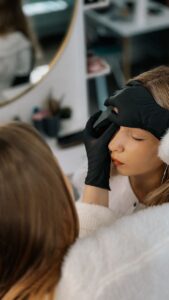
Cosmetology State Board Practice Exam

Final Study Tips

Before taking your cosmetology licensing exam, make sure you review:

  • Infection control and salon safety
  • Hair structure and growth
  • Chemical texture services
  • Hair color theory
  • Patch tests and strand tests
  • Skin care contraindications
  • Nail and skin disorders
  • Basic anatomy
  • State law and professional conduct

Also remember that licensing requirements, passing scores, time limits, and exam topics may vary by state. Always check your official state board website or candidate bulletin for the most accurate exam information.
Leave a Comment

Your email address will not be published. Required fields are marked *

Scroll to Top