If you’re exploring careers in cosmetology in U.S, it helps to understand both what each role involves and what a typical day looks like. This guide breaks down the main career options, daily duties, what training is required, and where demand is heading so you can pick the path that fits you best.
Common Career Paths in Cosmetology
Here are some of the most common roles in the cosmetology industry:
-
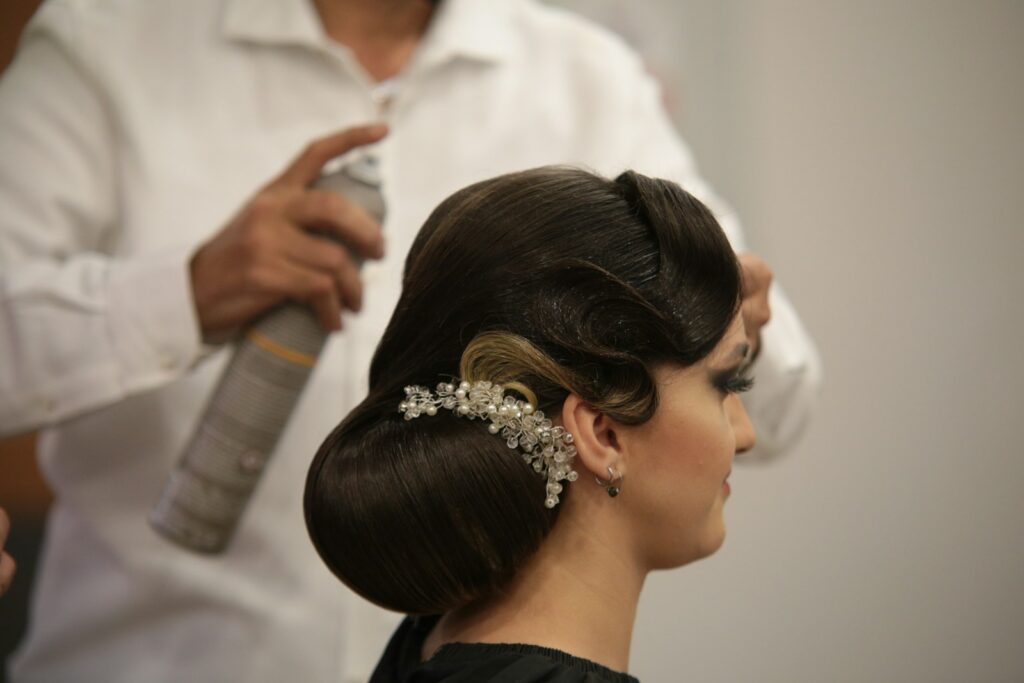
Hairstylist / Hairdresser
Cutting, styling, coloring, straightening, perms, extensions, and advising clients about hair care. -
Nail Technician / Manicurist / Pedicurist
Nail trimming/shaping, polish, acrylic or gel nails, nail art, foot care, sometimes hand/foot massage. -
Skin-Care Specialist (Esthetician)
Facials, waxing/threading, exfoliation, chemical peels, skin analysis, makeup application, skincare regimen advice. -
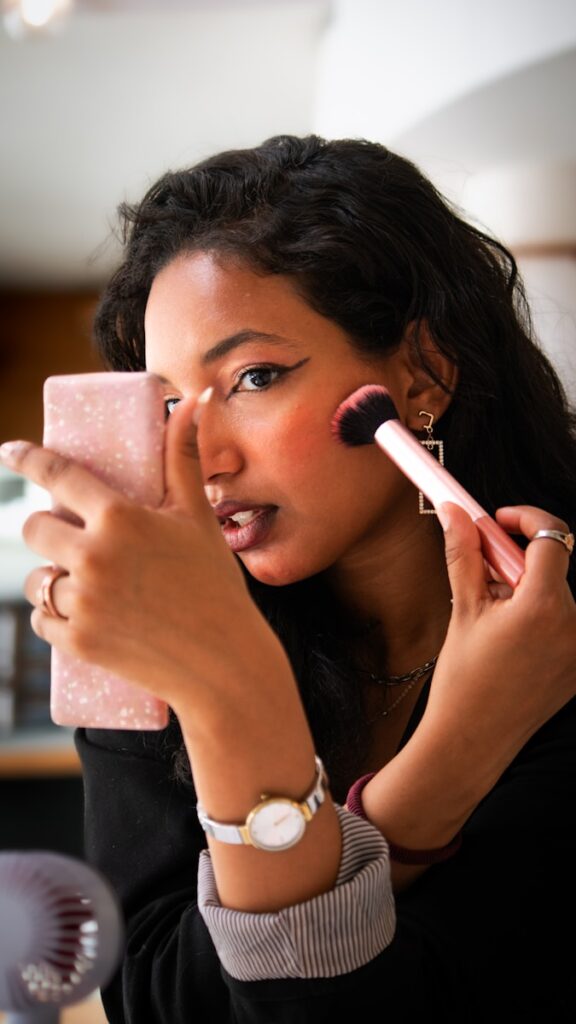
Makeup Artist
Bridal and event makeup, theatrical/stage, photo/film work, special effects, also retail makeup consulting. -
Beautician / General Cosmetologist
Often performs a combination: hair, nails, skin services. -
Wedding & Event Stylist
Focused on special events—hair and makeup tailored for weddings, parties, photo shoots. -
Salon or Spa Manager / Owner
Overseeing staff, scheduling, budgeting, inventory, customer satisfaction, possibly marketing/business strategy.
Careers in Cosmetology: What a Typical Day Looks Like
Below are daily duties you can expect depending on your role. These overlap depending on your specialization and whether you are self-employed or working in a salon/spa.
| Task Category | Examples of Duties |
|---|---|
| Client interaction | Consultations to understand client needs; advising on styles or treatment options; color matching; follow-ups. |
| Technical services | Hair cutting, styling, coloring; nail services; facials/waxing/makeup as per role. |
| Hygiene, safety & maintenance | Cleaning/sanitizing tools & stations; maintaining clean workspaces; following state regulations. |
| Administrative tasks | Scheduling and confirming appointments; record-keeping of client info; ordering supplies; stocking products. |
| Product sales & education | Recommending retail products; keeping up with new products or techniques; sometimes hosting demos. |
| Non-service time | Breaks; setup/clean-up; possibly training or continuing education; social media or marketing (for self-employed). |
Some insights:
-
Many cosmetologists also handle evening and weekend shifts when clients are most available.
-
Self-employed or booth renters may spend more time on business tasks: marketing, bookkeeping, supply management.
-
Physical demands are real: long hours standing; exposure to chemicals; manual dexterity needed
Careers in Cosmetology: Training, Licensing & Skills Needed
To enter a cosmetology career, here are typical requirements:
-
Graduate from a state-approved cosmetology or esthetician/ nail/beauty school program.
-
Complete required hours of practical + theory instruction (varies by state).
-
Pass the state licensing exam (written + practical).
-
Obtain additional certifications depending on specialty (makeup, advanced skincare, extensions, etc.).
Core skills you’ll need:
-
Good communication and listening skills (understanding client needs).
-
Strong technical/ artistic ability (hair cutting, blending colors, nail art, etc.).
-
Time management & organization (keeping schedule, stations clean, tasks done).
-
Customer service & sales instincts.
-
Physical stamina and care with health/safety.

Careers in Cosmetology: Job Outlook & Earnings
Here’s what U.S. data tells us about demand and pay in cosmetology:
-
Employment for barbers, hairstylists, and cosmetologists is projected to grow 5-6% from 2024 to 2034, which is somewhat faster than the average for all occupations.
-
For skincare specialists (estheticians), growth is stronger—about 7% over the same period.
-
Medians wages vary by state, role, and experience. For example, hairdressers and cosmetologists often see hourly wages in the mid-teens to low twenties in many areas, with higher earnings possible via tips, commissions, or owning a business.
-
States with higher costs of living or more prestige salons tend to offer higher wages. Strong portfolios, specialization, and building a loyal client base can increase income significantly.
Careers in Cosmetology: Which Path Might Be Right for You?
Here are some considerations to help you decide your direction:
-
Think about which service you enjoy the most: hair, nails, skin, makeup, or combination.
-
Consider how much physical work and standing you’re willing to commit.
-
Decide whether you prefer working for someone else (salon, spa) or being self-employed.
-
Check your state’s licensing requirements and costs.
-
Evaluate how much ongoing education you’ll invest in to keep up with trends.
Careers in Cosmetology: Sample Daily Schedule (Example)
Here is an example schedule for a mid-level cosmetologist who does hair and some skin/nail work, in a salon:
| Time | Activity |
|---|---|
| 8:30 – 9:00 | Arrive, clean station, prep tools; review schedule and confirm appointments |
| 9:00 – 12:00 | Morning clients: haircuts, color processing; take short breaks between clients |
| 12:00 – 1:00 | Lunch; restock supplies; client follow-ups or consultations |
| 1:00 – 4:30 | Afternoon clients: styling, blowouts, skin treatments or nail services; clean between clients |
| 4:30 – 6:30 | Peak time with walk-in or last appointments; update records; tidy workspace |
| 6:30 – 7:00 | Close up: clean tools, sanitize station, review next day schedule |
Deciding among careers in cosmetology means balancing what you love to do, how you want to work, and where demand is rising. If you enjoy creativity, helping others feel confident, and are okay with hands-on work, one of these paths could be very rewarding.
If you like, check out the free checklist to compare cosmetology career paths (skills, earnings, training) side by side—would you find that useful?
Cosmetology Exam Prep (CEP) is a dedicated learning platform for students preparing for the PSI/NIC cosmetology licensing exams in the United States. Our goal is to make exam preparation simple, effective, and accessible. We provide:
-
Practice quizzes with updated state-board style questions.
-
Study guides covering hair, skin, nails, and salon management.
-
Bilingual resources (English–Vietnamese) to support diverse learners.
-
Career insights to help you understand daily duties, licensing requirements, and job opportunities in cosmetology.
Whether you are just starting your beauty school journey or preparing for the final licensing exam, CEP helps you build the knowledge and confidence you need to succeed.
👉 Next Step: Try our free Cosmetology Practice Test to check your readiness.